
Indoor Plants for Improving Air Quality: A Breath of Fresh Air for Your Home
As we spend an increasing amount of time indoors, the quality of the air we breathe within our homes becomes ever more crucial. Indoor air pollution, caused by a variety of sources, can significantly impact our health and wellbeing. Fortunately, nature offers an elegant solution: indoor plants. Not only do they add a touch of greenery and vibrancy to our living spaces, but they also play a pivotal role in purifying the air. In this blog, we will explore the best practices for setting up indoor plants to ensure their health and longevity, highlight the top five plants renowned for their air-purifying qualities, and provide a list of harmful compounds these plants help remove from the air.
- Light: Different plants have varying light requirements. While some thrive in direct sunlight, others prefer indirect or low light. Position your plants according to their specific needs. For instance, place sun-loving plants like succulents and cacti near windows, and shade-loving plants like ferns in less bright areas.
- Watering: Overwatering or underwatering can be detrimental to plant health. It’s crucial to understand the watering needs of each plant species. Generally, most indoor plants prefer their soil to be kept moist but not waterlogged. A good rule of thumb is to water when the top inch of soil feels dry to the touch.
- Humidity: Many indoor plants, especially tropical varieties, thrive in humid environments. If your home has low humidity, consider using a humidifier or placing a tray of water near your plants to increase moisture in the air.
- Soil: Use well-draining potting soil to prevent root rot. Adding perlite or sand can improve soil aeration. Repot plants as they outgrow their containers to ensure they have enough room to develop a healthy root system.
- Fertilizing: Indoor plants need nutrients to thrive. Use a balanced, water-soluble fertilizer during the growing season (spring and summer) to support their growth. Follow the instructions on the fertilizer package to avoid over-fertilization.
Top 10 Indoor Plants for Australians to Improve Air Quality
Australia’s unique climate and diverse ecosystems provide a wonderful backdrop for incorporating indoor plants that enhance air quality. Whether you’re living in the tropical north or the temperate south, there’s an array of plants that can thrive in Australian homes and contribute to a healthier indoor environment. Here are the top 10 indoor plants for Australians looking to improve air quality:

Devil's Ivy (Epipremnum aureum)
Also known as Golden Pothos, Devil's Ivy is a hardy plant that can thrive in a variety of light conditions. It's excellent at removing formaldehyde, xylene, and benzene from the air. This plant is perfect for beginners due to its low maintenance needs and ability to grow in both bright and low light.

Spider Plant (Chlorophytum comosum)
Spider Plants are resilient and easy to care for, making them ideal for busy households. They effectively remove formaldehyde, carbon monoxide, and xylene. These plants prefer bright, indirect light and regular watering.

Snake Plant (Sansevieria trifasciat
Commonly known as Mother-in-Law's Tongue, Snake Plants are among the most efficient air-purifying plants. They can filter out formaldehyde, benzene, xylene, and trichloroethylene. They are very low maintenance and can survive in low light and infrequent watering.

Peace Lily (Spathiphyllum)
Peace Lilies are beautiful and powerful air purifiers. They can remove ammonia, formaldehyde, benzene, and trichloroethylene from the air. These plants thrive in low to medium light and require consistently moist soil.

Aloe Vera (Aloe barbadensis miller)
Aloe Vera is renowned for its medicinal properties, particularly in treating skin conditions, but it also purifies the air by removing formaldehyde and benzene. Aloe Vera plants thrive in bright, indirect light and require minimal watering, making them perfect for sunny spots in your home.
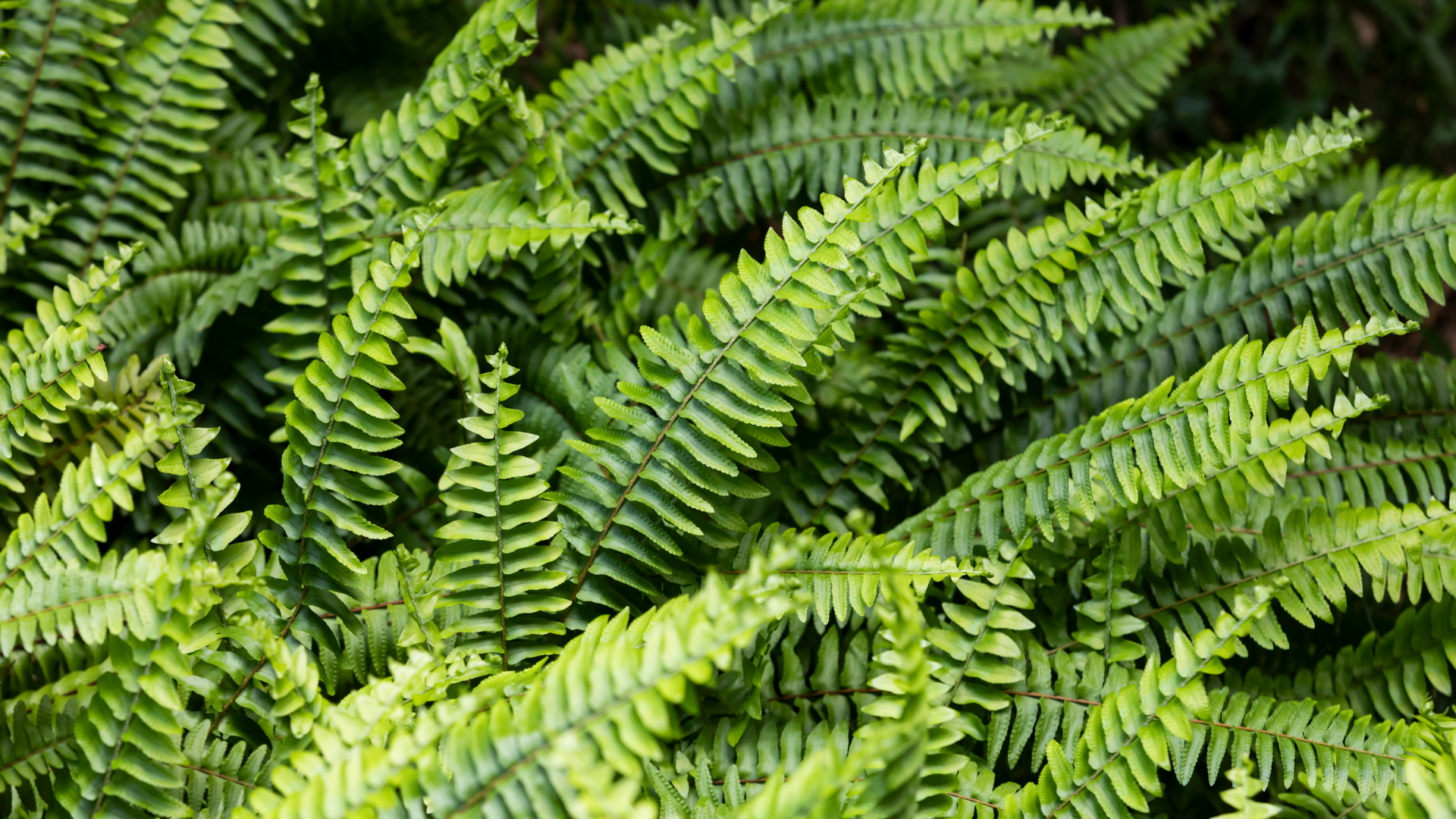
Boston Fern (Nephrolepis exaltata)
Boston Ferns are excellent at adding humidity to the air while removing formaldehyde and xylene. They prefer indirect light and high humidity, making them ideal for bathrooms or kitchens. Regular misting and keeping the soil consistently moist will keep these ferns healthy.

Rubber Plant (Ficus elastica)
The Rubber Plant is a robust indoor plant that effectively filters out formaldehyde from the air. It prefers bright, indirect light and should be watered when the top inch of soil is dry. This plant also benefits from occasional wiping of its large, glossy leaves to keep them dust-free and efficient at air purification.

Chinese Evergreen (Aglaonema)
Chinese Evergreen plants are attractive and highly tolerant of various indoor conditions. They are effective at removing benzene and formaldehyde from the air. These plants thrive in low to medium light and prefer to be watered regularly, but allow the soil to dry out between waterings.

Weeping Fig (Ficus benjamina)
Weeping Fig, or Ficus benjamina, is a popular indoor tree that can grow quite large and provides excellent air-purifying benefits by removing formaldehyde, xylene, and toluene. It prefers bright, indirect light and regular watering, but the soil should dry out slightly between waterings.

Areca Palm (Dypsis lutescens)
The Areca Palm is a beautiful, feathery plant that is excellent at removing pollutants like formaldehyde, xylene, and toluene from the air. It thrives in bright, indirect light and needs regular watering to keep the soil moist but not waterlogged. This plant also helps to add humidity to the air, which can be beneficial in drier indoor environments.
Harmful Compounds Removed by Indoor Plants
Indoor plants are natural air purifiers that can significantly reduce the concentration of various harmful compounds found in indoor environments. Here are some common pollutants that these plants can help eliminate:
- Formaldehyde: Found in household products such as furniture, carpets, and cleaning agents. Prolonged exposure can cause respiratory problems and skin irritation.
- Benzene: Present in tobacco smoke, paints, and detergents, benzene is a known carcinogen that can lead to serious health issues with long-term exposure.
- Trichloroethylene (TCE): Used in industrial processes, TCE can cause dizziness, headaches, and long-term damage to the liver and kidneys.
- Xylene: Found in paints, varnishes, and adhesives, exposure to xylene can result in headaches, dizziness, and respiratory problems.
- Ammonia: Present in household cleaners and fertilizers, ammonia can cause eye irritation, coughing, and throat irritation.
Conclusion
Incorporating indoor plants into your home not only enhances the aesthetic appeal but also plays a vital role in improving air quality and promoting better health. These top 10 plants are particularly effective in Australian homes due to their resilience and air-purifying capabilities. By carefully selecting and nurturing these plants, you can create a healthier, more vibrant living environment.
Indoor plants are more than just decorative elements; they are essential allies in our quest for healthier living spaces. Each plant has unique needs, so understanding and catering to these needs will enhance their air-purifying abilities and help you cultivate a deeper connection with nature. Embrace the green revolution and enjoy the numerous benefits of having indoor plants – your lungs and overall wellbeing will thank you.